


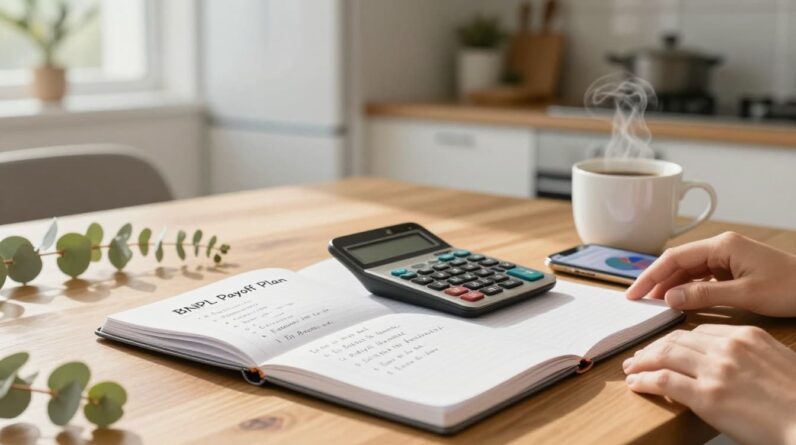
BNPL (Buy Now Pay Later) can feel harmless at the start. Four payments. No interest. Easy.
Then the due dates stack up. Pay comes in, and it’s already spoken for. That’s BNPL debt Australia in real life, small hits that add up fast.
This payoff plan is simple. It’s also firm. The goal is clear, reduce debt without shame, and build habits that last.
Why BNPL debt builds so quickly in Australia
Buy Now Pay Later works because it spreads pain out. You don’t feel the full cost on the day you buy. You feel it later, in pieces.
That sounds easier. Yet it can turn your budget into a patchwork of mini bills. Afterpay, Zip, and Klarna repayments can land in the same week as rent, groceries, fuel, and school costs. One missed payment can trigger fees, account blocks, and a scramble to catch up.
There’s also the “multiple accounts” problem. Many people open more than one BNPL account, then lose track. A helpful first step is to write down every BNPL service you’ve used, even old ones. If you’re not sure what’s out there, this list of BNPL providers in Australia can jog your memory.
Cost-of-living pressure makes it worse. Recent reporting has shown BNPL balances per user fell from earlier peaks, yet missed payments and hardship stories are still common. In other words, the average might look “fine”, while many households still feel squeezed.
From a faith view, BNPL debt often links to hurry. Hurry to have. Hurry to keep up. A Christian money mindset slows that down. It asks, “Do I own this choice, or does it own me?”
If you want a consumer-focused overview of practical next steps, CHOICE has a solid guide on what to do if you’re stuck in BNPL debt.
A step-by-step payoff plan for Afterpay, Zip, and Klarna
You don’t need a perfect system. You need a clear one. Start today, with what you know.
-
Freeze new BNPL spending Delete saved cards, remove apps, and log out of accounts. If you keep browsing, you’ll keep buying. This is the circuit breaker.
-
List every BNPL balance and due date Put it on paper or a basic notes app. Include the repayment amount, the next due date, and the fee risk if you miss it.
-
Sort your repayments into “must-pay” order Put the ones with the nearest due date first. Next, prioritise any account that’s already behind. You’re stopping the bleeding.
-
Build a tiny buffer, even $200 to $500 A buffer is boring. That’s the point. It keeps you from using BNPL again when the car battery dies or a school note comes home.
-
Pick a payoff method and stick to it for 90 days Use one of these and stay steady:
- Snowball: pay the smallest balance first for quick wins.
- Avalanche: pay the most expensive (fees, charges) first to save money.
BNPL isn’t always “interest”, but late fees still bite. If one provider is fee-heavy for you, hit it harder.
-
Set payments to land right after payday If you’re paid fortnightly, line up due dates with the day after pay. If the provider allows date changes, use them. If not, plan around them.
-
Call for help early if you can’t meet repayments Don’t wait for default notices. Many providers have hardship options. Free support is also available through the National Debt Helpline, including their BNPL guidance on getting help with buy now pay later debt.
This plan is also Christian money management in practice. Stewardship is doing the next right thing with the money in your hands today, not the money you hope turns up tomorrow.
Find extra cash without burning out (side hustles, freelancing, and cutting “money leaks”)
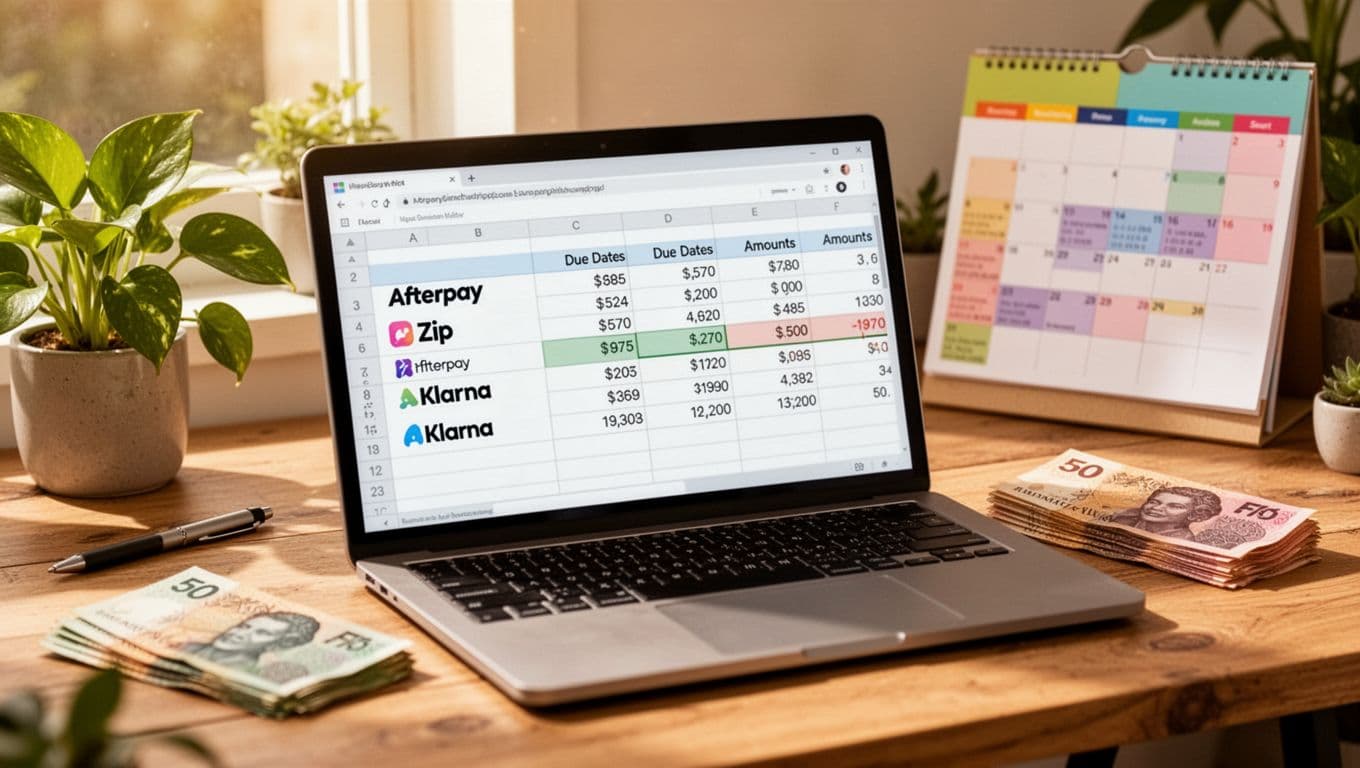
Paying off BNPL is faster when you raise the gap between income and spending. That’s not about punishment. It’s about breathing room.
Start with “money leaks”. Small costs that slip through because they feel minor. Food delivery twice a week. Extra subscriptions. Add-on warranties. Random Kmart runs. If you plug a few leaks, you free up cash without wrecking your whole lifestyle.
Then look at income. Even $100 to $300 a week can shorten your timeline by months. Keep it simple and time-boxed.
Good options for side hustles in Australia often look like:
- Freelancing: writing, bookkeeping, admin support, design, tutoring, or editing. Start with one service and one price.
- Weekend shifts: hospitality, events, retail, or cleaning, short bursts can work well.
- Selling unused items: Facebook Marketplace can turn clutter into repayments.
- Running a business (micro version): lawn mowing, dog walking, meal prep, pressure washing, or handyman work.
If you already run your own shop or you’re running a business, don’t “borrow” from GST, BAS, or tax set-asides to clear BNPL. That swap creates a bigger mess later. Keep business money and personal money separate, even if it feels slow.
As extra income comes in, give every dollar a job the same day. Some goes to the buffer. Some goes to the next BNPL balance. The rest covers real life.
Staying out of BNPL debt, with faith-led guardrails (and space for generosity)
BNPL freedom isn’t only paying it off. It’s changing what you do next time life gets tight.
Set three guardrails:
- A replacement plan: use a sinking fund for clothes, gifts, school costs, and car repairs. A small weekly auto-transfer is enough.
- A simple purchase delay: wait 48 hours on non-essentials. Most “needs” shrink in that time.
- One money meeting a week: ten minutes, same day, same time. Check due dates, bills, and progress.
Then add the faith piece. Stewardship is a steady walk. It’s also honest. If comparison drives your spending, call it out. If comfort spending is your pattern, name it. The point isn’t guilt. The point is freedom.
Make room for generosity as soon as you can, even if it’s small. Giving can keep money from becoming your master. Keep it wise and within your plan.
Once you clear BNPL and build an emergency fund, lift your eyes to the next layer. Start estate planning basics. Update your will. Check super beneficiaries. Sort insurance. This isn’t morbid, it’s care for the people you love.
BNPL companies may face tighter rules in coming years, with stronger checks and oversight being discussed in Australia. That may help. Still, the strongest protection is a clear budget, a buffer, and habits you repeat.
Final takeaways for BNPL debt Australia, and your next step
BNPL debt doesn’t mean you’re hopeless with money. It means the system did what it’s built to do, it made spending feel painless.
Freeze new purchases, list every repayment, build a small buffer, and attack one balance at a time. Add extra income through freelancing or side hustles, and keep your plan grounded in Christian money management and steady stewardship.
Start today with one action: write your BNPL list. Then pay the next bill on purpose. That’s how reduce debt turns into a new normal.